Pope
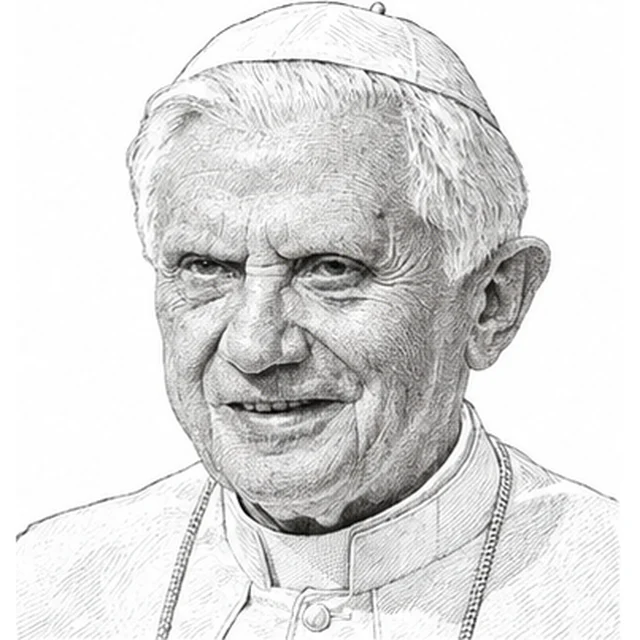
Benedict XVI
Joseph Ratzinger, who took the name Benedict XVI, was pope from 2005 to 2013 and is the first pontiff to renounce his office in almost 600 years. Pope Benedict XVI, an eminent theologian, is known for his intellectual depth, defense of Catholic doctrine and attachment to traditional liturgy. His pontificate was marked by a dialogue between faith and reason, continuity with John Paul II and a response to the challenges of secularization and relativism.
- Regnal name
- Benedict XVI
- Birth name
- Joseph Ratzinger
- Born
- 16 April 1927
- Elected
- 19 April 2005 (78 years)
- End of pontificate
- 28 February 2013
- Died
- 31 December 2022 (95 years)
- Length of pontificate
- 7 years and 10 months
Career
- 1977 – 1982Roman Catholic Archbishop of Munich and Freising
- 1977 – 1993Cardinal priest
- 1981 – 2005Prefect of the Congregation for the Doctrine of the Faith
- 1993 – 2005Cardinal-Bishop of Velletri-Segni
- 2002 – 2005Dean of the College of Cardinals
- 2002 – 2005Cardinal-bishop of Ostia
- 2005 – 2013Pope
- 2013 – 2023Pope emeritus
- Episcopal consecration
- 24 March 1977
- Consecrators
- Ernst Tewes, Josef Stangl, Rudolf Graber
- Languages spoken
- English, French, German, Italian, Latin, Spanish
Positions on six themes
How are these scores established?Each theme is scored from 0 (very progressive) to 10 (very conservative). The overall score, out of 100, weights the six themes.
Magisterium
Encyclicals3
Apostolic exhortations4
- Sacramentum Caritatis: Post-Synodal Apostolic Exhortation on the Eucharist as the Source and Summit of the Church's Life and Mission (22 February 2007)
- Verbum Domini: Post-Synodal Apostolic Exhortation on the Word of God in the Life and Mission of the Church (30 September 2010)
- Africae Munus: Post-Synodal Apostolic Exhortation on the Church in Africa in Service to Reconciliation, Justice and Peace (19 November 2011)
- Ecclesia in Medio Oriente: Post-Synodal Apostolic Exhortation on the Church in the Middle East: Communion and Witness (14 September 2012)
Apostolic constitutions1
Motu proprio12
- Motu Proprio "The Ancient and Venerable Basilica" for the Basilica of St Paul Outside-the-Walls and for its extra-territorial complex (May 31, 2005)
- Motu Proprio for the approval and publication of the Compendium of the Catechism of the Catholic Church (June 28, 2005)
- De ElectioneFR
- Motu Proprio Summorum Pontificum on the "Roman liturgy prior to the reform of 1970" (July 7, 2007)
- Apostolic Letter issued "Motu Proprio" for the prevention and countering of illegal activities in the area of monetary and financial dealings (December 30, 2010)
- Apostolic Letter issued "Motu Proprio" Quaerit semper (August 30, 2011)
- Apostolic Letter issued "Motu Proprio" Porta Fidei for the Indiction of the Year of Faith (11 October 2011)
- Apostolic Letter issued "Motu Proprio" Latina Lingua establishing the Pontifical Academy for Latin (10 November 2012)
- Apostolic Letter issued "Motu Proprio" Intima Ecclesiae natura on the Service of Charity (11 November 2012)
- Apostolic Letter issued "Motu Proprio" “Fides per Doctrinam” whereby the Apostolic Constitution “Pastor Bonus” is modified and competence for catechesis is transferred from the Congregation for the Clergy to the Pontifical Council for Promoting the New Evangelization (16 January 2013)
- Apostolic Letter issued "Motu Proprio" “Ministrorum Institutio” whereby the Apostolic Constitution Pastor Bonus is modified and responsibility for seminaries is transferred from the Congregation for Catholic Education to the Congregation for the Clergy (16 January 2013)
- Apostolic Letter issued "Motu Proprio" on certain modifications to the norms governing the election of the Roman Pontiff (22 February 2013)
Apostolic letters19
- Beatifications Goni CopeIT
- Beatifications WarsawES
- Apostolic Letter by which the Supreme Pontiff has raised to the glory of the altars the Servant of God Clemens August Graf von Galen (October 9, 2005)
- Apostolic Letter by which the Supreme Pontiff has raised to the glory of the altars the Servants of God: Josep Tàpies and six Companions and María de los Ángeles Ginard Martí (October 29, 2005)
- Apostolic Letter issued Motu Proprio Totius orbis for the coordination of pastoral activities and initiatives at the Basilicas of Saint Francis and of Saint Mary of the Angels in Assisi (9 November 2005)
- Apostolic Letter by which the Supreme Pontiff has raised to the glory of the altars the Servants of God: Charles de Foucauld, Maria Pia Mastena, Maria Crocifissa Curcio (November 13, 2005)
- Apostolic Letter by which the Supreme Pontiff has raised to the glory of the altars the Servants of God 13 Mexican Martyrs: Anacleto González Flores and 8 Companions, José Trinidad Rangel, Andrés Solá Molist, Leonardo Pérez, Darío Acosta Zurita (November 15, 2005)
- Beatification BariIT
- Beatification NapoliES
- Beatification ViseuES
- Beatification Martyrs SpainFR
- Apostolic Letter Antiqua ordinatione given motu proprio, by which the Lex propria of the Supreme Tribunal of the Apostolic Signatura is promulgated (June 21, 2008)
- Apostolic Letter to Card. Joachim Meisner on the occasion of the 7th centenary of the death of blessed John Duns Scotus (October 28, 2008)
- Apostolic Letter issued "Motu Proprio" Ecclesiae unitatem (July 2, 2009)
- Statuto UlsaIT
- Apostolic Letter issued "Motu Proprio" Omnium in mentem, modifying some canons of the Code of Canon Law (October 26, 2009)
- Apostolic Letter issued "Motu Proprio" Ubicumque et semper of the Supreme Pontiff Benedict XVI establishing the Pontifical Council for Promoting the New Evangelization (September 21, 2010)
- Apostolic Letter proclaiming John of Ávila as a Doctor of the Church (7 October 2012)
- Apostolic Letter proclaiming Hildegard of Bingen as a Doctor of the Church (October 7, 2012)
Bulls1
Cardinal electors created by Benedict XVI
-
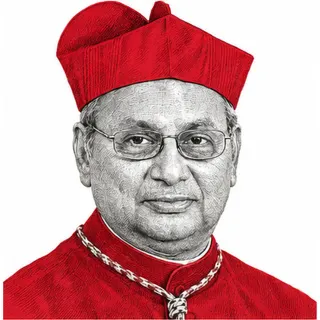
Albert Malcolm Ranjith Patabendige Don
-
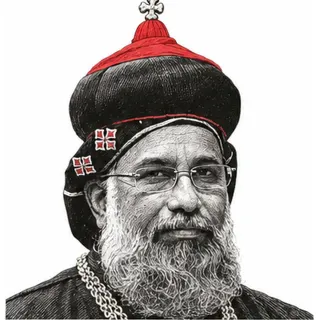
Baselios Cleemis
-
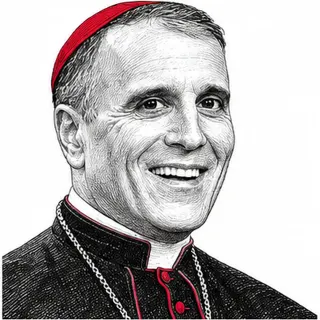
Daniel Nicholas DiNardo
-
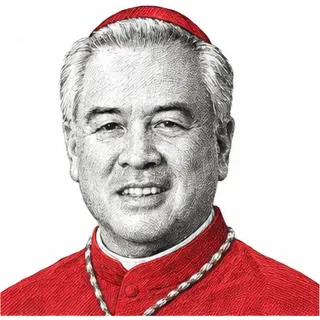
Francisco Robles Ortega
-
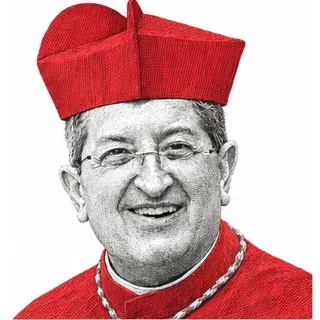
Giuseppe Betori
-
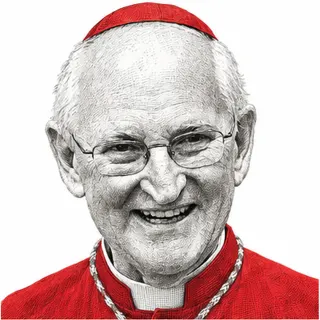
James Michael Harvey
-
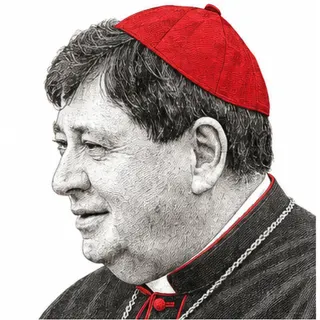
João Braz de Aviz
-
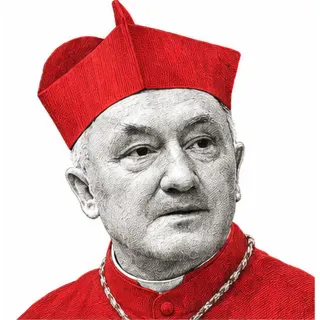
Kazimierz Nycz
-
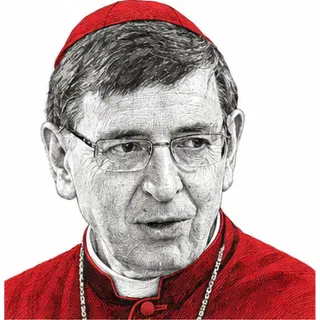
Kurt Koch
-
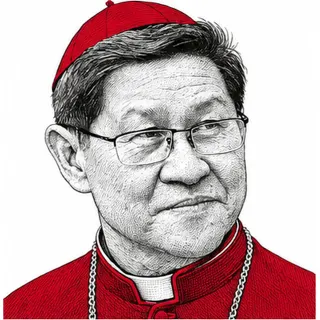
Luis Antonio Tagle
-
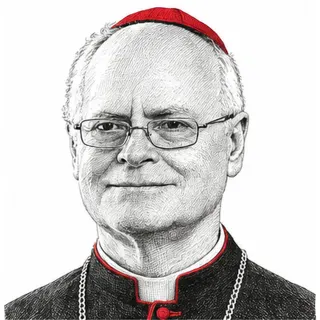
Odilo Pedro Scherer
-
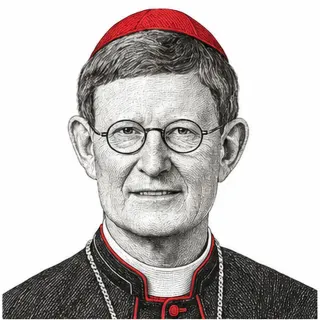
Rainer Maria Woelki
-
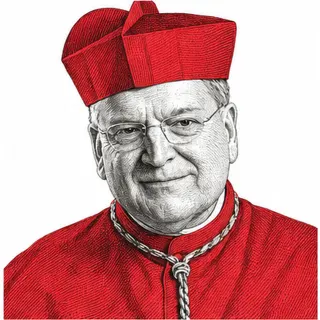
Raymond Leo Burke
-
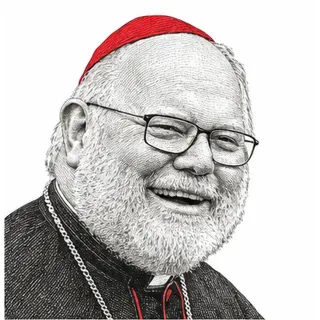
Reinhard Marx
-
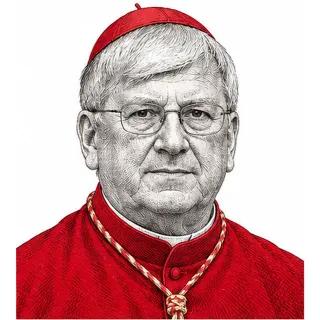
Thomas Christopher Collins
-
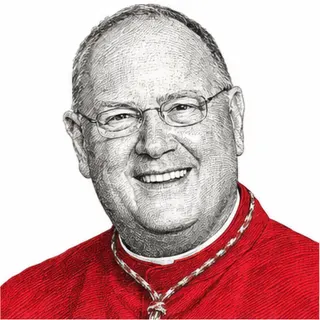
Timothy Dolan
-
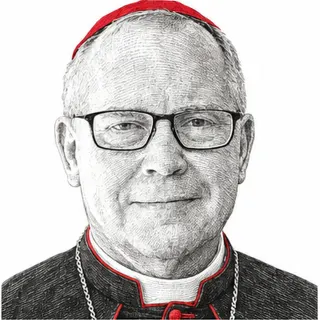
Willem Jacobus Eijk