† Deceased
Francis
Jorge Mario Bergoglio
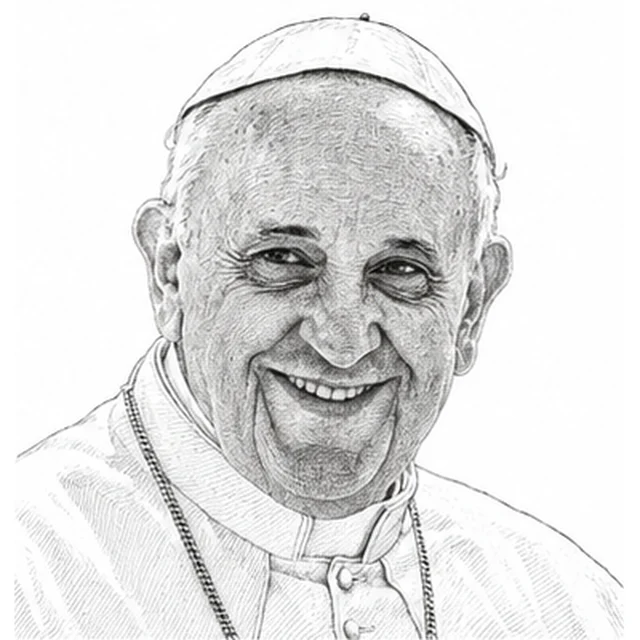
Jorge Mario Bergoglio, who became Pope Francis in 2013, is the first Jesuit and first Latin American elected sovereign pontiff. Pope Francis is known for his emphasis on mercy, poverty and ecology, his direct style and his reforms of the Curia and church governance. His pastoral vision advocates for an outgoing Church, attentive to the peripheries and engaged in a synodal process.
- Country
- Argentina
- Born
- 17 December 1936
- Created cardinal
- by John Paul II, on 21 February 2001
- Pope
- 13 March 2013 – 21 April 2025
- Status
- Died on 21 April 2025
Overall position 21/100 · Progressive
Positions on six themes
How are these scores established?Each theme is scored from 0 (very progressive) to 10 (very conservative). The overall score, out of 100, weights the six themes.
-
Moral doctrine · 25 %
3/10Pope Francis maintained the Church's traditional teachings on issues like abortion, same-sex marriage, and women's ordination. However, he adopted a more pastoral and inclusive tone, emphasizing mercy and accompaniment. Notably, he approved blessings for same-sex couples, distinguishing them from sacramental marriage, and supported civil unions as legal protections for same-sex couples. He also condemned the criminalization of homosexuality and emphasized the importance of welcoming LGBTQ+ individuals within the Church.
-
Liturgy and tradition · 20 %
4/10Pope Francis emphasized unity in liturgical practices and sought to limit divisions caused by differing liturgical preferences. He issued 'Traditionis custodes' to restrict the use of the Traditional Latin Mass, promoting the post-Vatican II liturgy as the unique expression of the Roman Rite. His approach aimed to foster communal harmony rather than liturgical nostalgia.
-
Socio-political engagement · 15 %
1/10Pope Francis was a vocal advocate for social justice, environmental protection, and the rights of migrants and refugees. His encyclical 'Laudato si'' highlighted the moral imperative of addressing climate change. He criticized policies that lacked compassion for migrants and emphasized the interconnectedness of social and environmental issues.
-
Stance on Francis's reforms · 20 %
5/10As the pontiff himself, Pope Francis's relationship with his own papacy is intrinsic. His leadership was marked by efforts to reform Church governance, promote synodality, and emphasize a Church that is close to the people, especially the marginalized.
-
Interreligious dialogue · 10 %
1/10Pope Francis prioritized interreligious dialogue as a means to promote peace and mutual understanding. He engaged with leaders of various faiths, emphasizing the importance of fraternity and collaboration in addressing global challenges.
-
Communication and pastoral style · 10 %
1/10Pope Francis was known for his accessible and compassionate communication style. He often used simple language and relatable metaphors, such as describing the Church as a 'field hospital.' His openness with the media and willingness to address complex issues candidly marked a significant shift in papal communication.